
Why emotional UX design is the hardest (and most important) part of product design
Aarya Gole
16 Jun 2026
What Most UX Design Gets Wrong About Users
Most products are built around what users need to do. Complete a form. Place an order. Finish onboarding. It's clean, logical, and efficient, but it misses something fundamental.
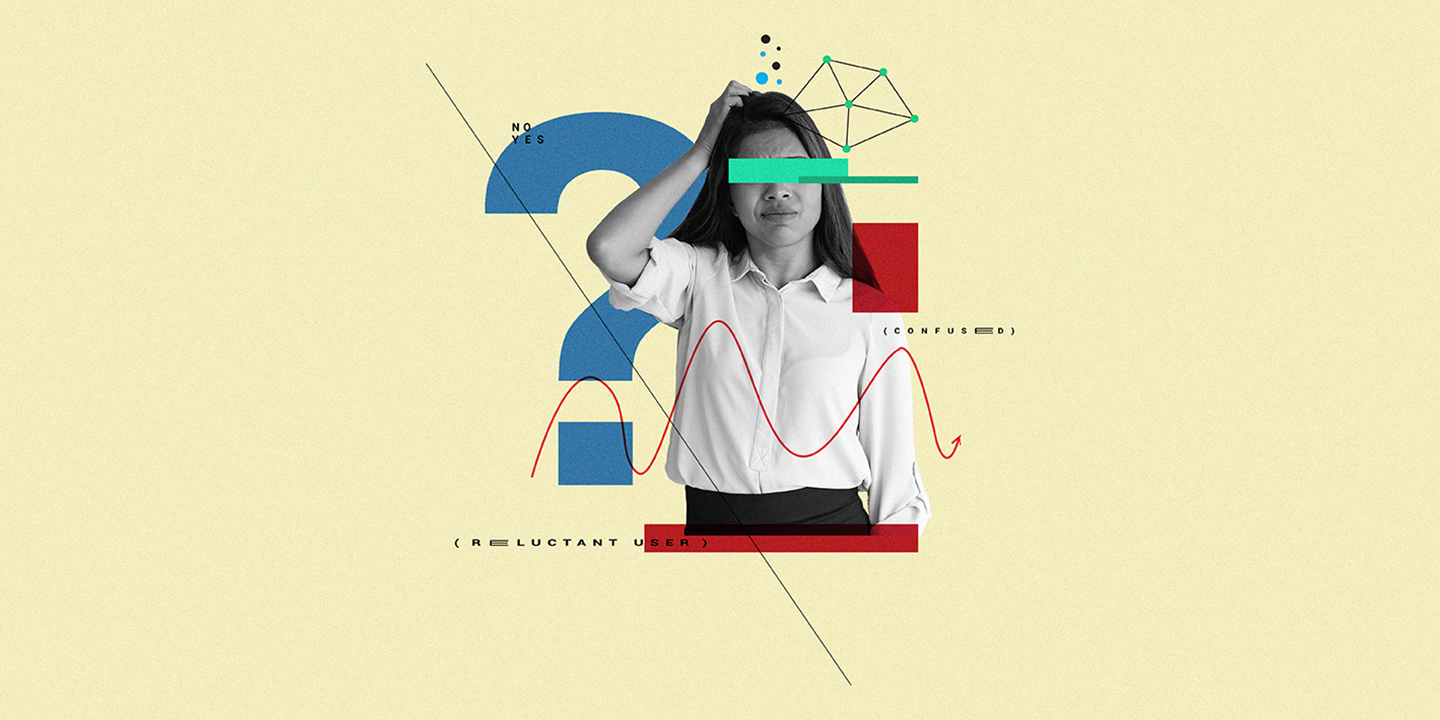
Users don't show up to products as neutral operators. They arrive carrying context, emotion, and state of mind. The same person might be filling out an insurance claim while sitting in a hospital, concerned about a loved one. On another day, that very person could be casually browsing an e-commerce app on a weekend, half-watching Netflix.
The task may be structured. The person isn't. And yet, most products design both these experiences in exactly the same way.
Emotional UX Design: You're Designing a Moment, Not Just a Screen
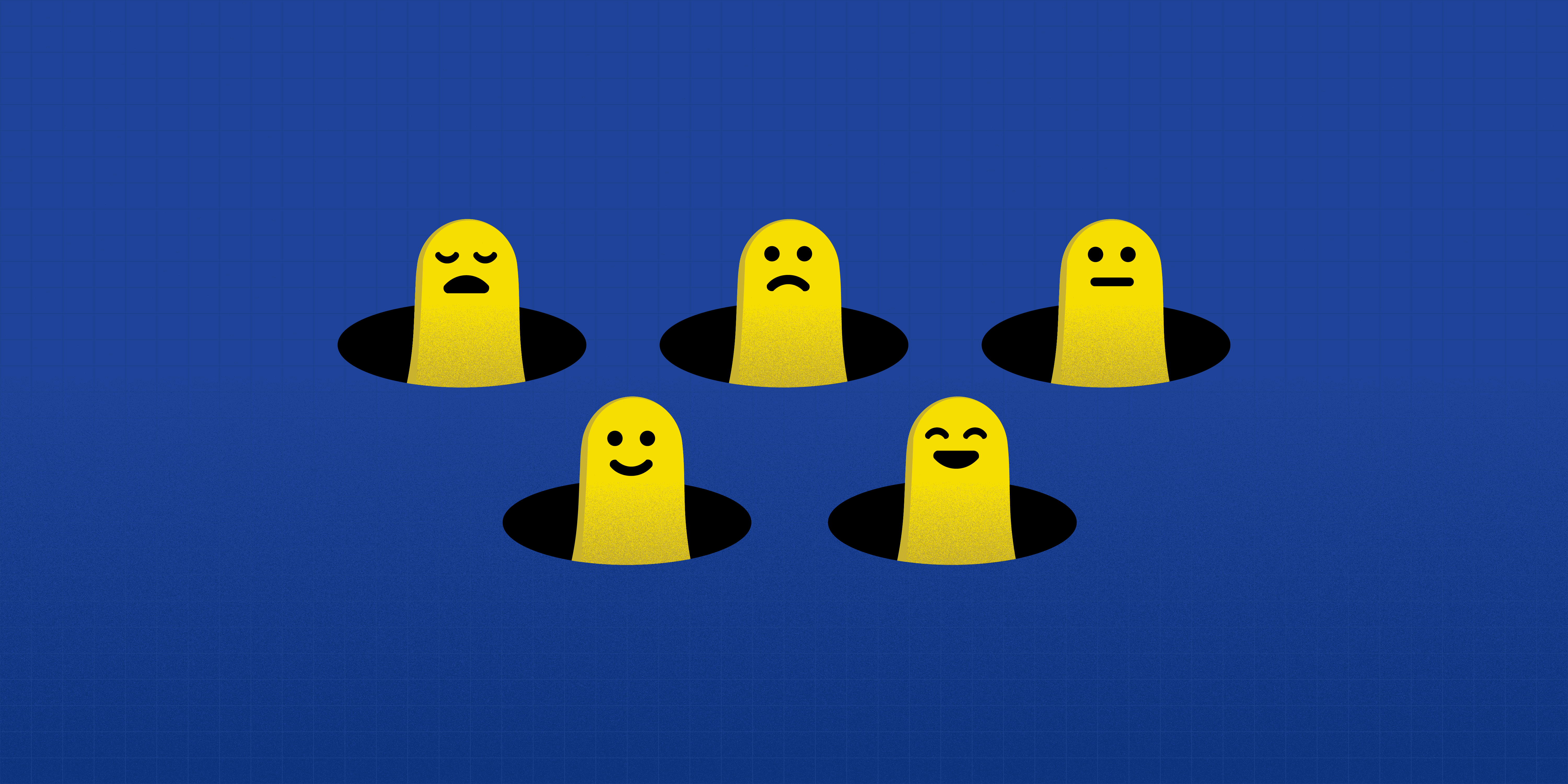
You're not just designing a screen, you're designing a moment. And that moment is shaped as much by emotion as it is by function.
Emotional design, as a discipline, focuses on creating products that elicit the right emotional response at the right moment.
Emotions don't come with frameworks. There's no step in a design sprint where you pause and say, "now we account for anxiety" or "now we design for reassurance." Instead, emotional design shows up in quieter decisions:
- Do you explain something in detail, or trust the user to understand?
- Do you move them forward quickly, or slow down to give clarity?
- Do you optimise for speed, or for confidence?
These choices rarely get documented, but they define the experience.
Why User Research Is the Starting Point for Emotional Design
This is why UX research matters far more than most teams realise. Understanding the emotional state users arrive in, not just their task goals, is what separates functional design from design that actually lands. Research by Nielsen Norman Group shows that emotional response to a product often determines long-term loyalty more than usability alone.
When Good UX Design Still Feels Wrong
A flow can follow all the right patterns - intuitive, consistent, technically sound and still feel off. Usually because:
- We over-explain what didn't need explaining
- We assume too much and leave the user uncertain
- We've designed for an ideal user who doesn't really exist
In reality, people are distracted, multitasking, or just tired. They don't move through the flow step by step. They skip, pause, come back, and sometimes abandon halfway through. Designing for focus is straightforward. Designing for real behaviour is not.
How a UX Audit Surfaces Emotional Misalignment
A UX audit often surfaces exactly this kind of misalignment, places where the design is technically correct but emotionally tone-deaf to where the user actually is.
Why Emotional Design Rarely Makes It to the Product Roadmap
Emotional design is hard to measure. You can track drop-offs and completion rates, but you can't easily quantify whether someone felt reassured or anxious at a particular step. So teams optimise for what they can see, emotions get translated into proxy metrics like retention or engagement, rarely acknowledged directly.
The Role of UX Workshops in Aligning Teams Around User Emotions
This is the gap that UX workshops are designed to close, bringing teams and stakeholders together to surface assumptions about users that have never been examined, and building shared understanding of what the experience should feel like, not just function like.
How Error States Reveal Your Product's Emotional Design
Error states are where users are most likely to pause, reconsider, or drop off and where a product's emotional design is most exposed. The difference between good and poor error handling comes down to:
- Poor: Vague messaging or over-softened language that loses clarity
- Better: Clearly communicating what went wrong, what to do next, and helping the user continue without added friction
Good error states don't just reduce confusion. They reduce abandonment.
UX Writing: The Underrated Tool for High-Stakes Moments
This is where UX writing goes well beyond word choice, the right microcopy in a high-stress moment can be the difference between a user who recovers and one who leaves for good.
The Thin Line Between Emotional UX Design and Manipulation
Designing for emotion comes with risk. The moment you start shaping how someone feels, you're also influencing how they behave, and that's where good design and manipulation start to blur.
Urgency cues, scarcity messages, and fear-based nudges can push users to act. But over time, they chip away at trust. The intent matters: there's a difference between helping someone feel confident in a decision and nudging them toward one they wouldn't have made otherwise.
Designing for User Behavior: The Experience No One Plans For
Many products are designed around continuous engagement, always another recommendation, another notification, another step. But sometimes the user's goal is already done. They booked the ticket, paid the bill, and submitted the form.
At that moment, they want clarity, reassurance, and an easy exit. When products fail to recognise this and keep pushing for more interaction, the experience shifts from helpful to intrusive.
The Future of Emotional UX Design
Designing for emotional states is still inconsistent, dependent on individual judgement and sensitivity. But as systems become more adaptive, products will be better positioned to respond intelligently to context. Motion design is already moving in this direction, used not just for visual delight, but as a functional tool: transitions that reassure, loaders that reduce perceived wait anxiety, micro-interactions that confirm without interrupting.
What Users Actually Remember About a Product Experience
Most products succeed at being efficient. Far fewer succeed at being understanding. And that's what users remember, not just whether they completed something, but whether the experience felt right while doing it.
Emotional design isn't a layer you add at the end. It lives in small, often invisible decisions:
- A line of copy that doesn't alarm
- An animation that reassures
- A flow that doesn't push when someone needs to pause
The designers doing this well aren't following a formula, they're practising empathy as a discipline. And that process starts long before the first screen, in research, in the moments when someone says "that phase was really difficult for me" and a designer learns to carry that forward into the work.
Users may not articulate it, but they know when a product understood them and they know when it didn't. The gap between those two experiences is exactly where the next generation of UI UX design has the most room to grow.
Thinking about how your product makes users feel not just what it helps them do? Lemon Yellow is a UI UX design agency that works at the intersection of strategy, design, and emotional experience. Let's build something users actually remember.
Sharing is caring